In May this year, Tony Abbott declared that the question of same-sex marriage should be “owned by the Parliament”. A fortnight ago he privately told supporters that he was prepared to use ‘tricky processes’ to ensure that a free parliamentary vote on gay marriage did not happen.
When it became imminent on Tuesday that Warren Entsch would introduce his cross-party bill on same-sex marriage Abbott swung into action. He called a snap Coalition party room meeting and it was agreed that the party’s present stance on marriage would be maintained until the end of the current parliamentary term. He proffered the ‘disposition’ of a plebiscite should he be returned for another term.
Although it is estimated that this approach will cost at least $120 million, it would give him an important advantage. The momentum toward marriage equality would be stalled and there would be time to strategically frame the question that would be put to voters.
With the 47th ALP National Conference wrapped up for another three years, the results of the three day event have been described by some as both ‘exhilarating’ and ‘disappointing’. Despite a raft of positive policies being adopted in the areas of education, training, health, jobs, aged care, industry, climate change and foreign relations, and the long overdue approval of a 50% affirmative action target for women, many Party members have expressed deep disgust at the so-called ‘turn-backs’ policy for asylum seekers and the lack of resolve to bind ALP politicians on marriage equality.
Bill Shorten addresses National Conference
Many rank and file members have taken to social media to express their refusal to support the adoption of the controversial ‘turn-back’ policy, outlining concerns that this would put Labor in serious breach of its international obligations. Supporters of the changed policy approach, however, have been quick to defend the new position, stating that Labor would ensure that references to the Refugee Convention would be put back into the Migration Act and that the intake of asylum seekers would be boosted to 27,000 per annum.
On another front, pro Party reform advocates have expressed enthusiasm for the requirement that all state branches will now be required to ensure that a proportion of national conference delegates are elected by the rank and file membership – despite a failed last minute move to exempt some states. There has also been positive recognition of the need to increase the number of Indigenous parliamentarians across the Party. However, many reform advocates are bitterly disappointed that other fundamental democratic changes were not adopted by the Conference, especially with no real increase in the say for members in federal pre-selections.
Another bright light at Conference, however, was the adoption of the motion on Palestine, which was endorsed without any real opposition. The adopted resolution places recognition of the state of Palestine firmly in Labor’s new foreign policy platform.
In the end, this ALP National Conference closes with a mixed bag of ‘good points and bad points’ for many rank and file members. The lack of genuine reform and the adoption of a turn-back boats policy will be cited by some as serious deficiencies in Bill Shorten’s leadership, whereas others will see the development of new, innovative policies and a 50% affirmative action for women as a solid start to Labor’s road back to government.
 In May this year, Tony Abbott declared that the question of same-sex marriage should be “owned by the Parliament”. A fortnight ago he privately told supporters that he was prepared to use ‘tricky processes’ to ensure that a free parliamentary vote on gay marriage did not happen.
 With the 47th ALP National Conference wrapped up for another three years, the results of the three day event have been described by some as both ‘exhilarating’ and ‘disappointing’. Despite a raft of positive policies being adopted in the areas of education, training, health, jobs, aged care, industry, climate change and foreign relations, and the long overdue approval of a 50% affirmative action target for women, many Party members have expressed deep disgust at the so-called ‘turn-backs’ policy for asylum seekers and the lack of resolve to bind ALP politicians on marriage equality.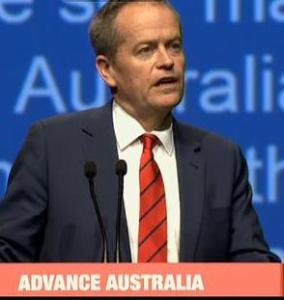
 Annerley Labor