Interest rate relief
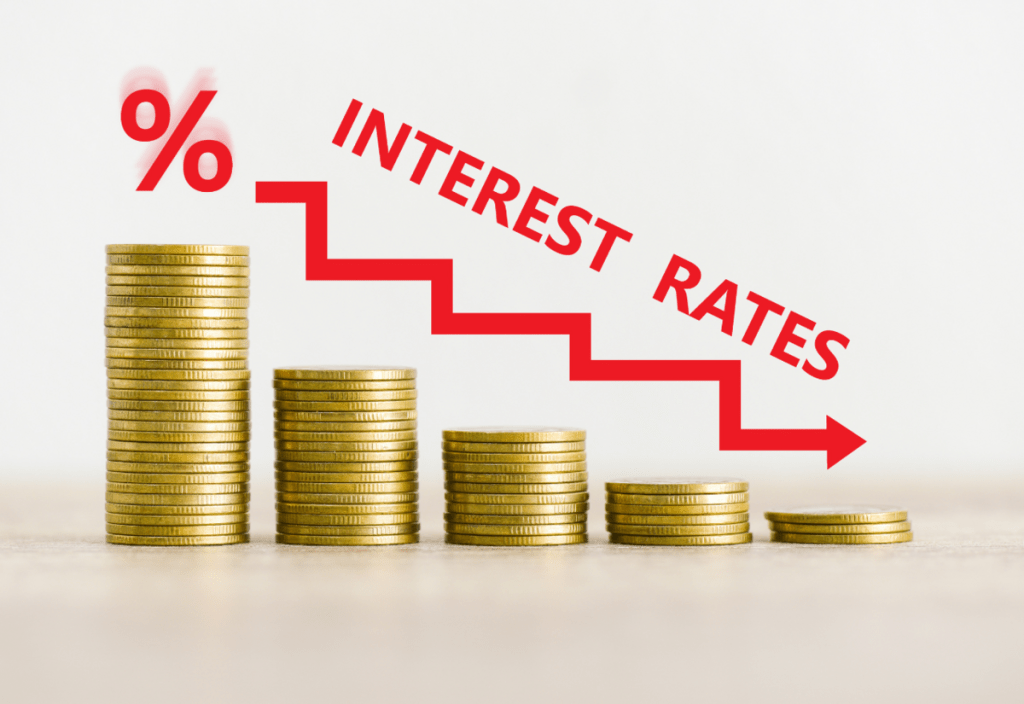
During February, Australian workers finally received long-overdue relief from the Reserve Bank of Australia (RBA), with the first interest rate cut in almost five years.
For mortgage holders, renters, and families struggling with the cost-of-living crisis, the decision provided some much-needed breathing room. Workers shouldered the burden of inflation while corporate profits soared. The rate cut was welcomed by the Australian government.
‘Future Made’ jobs essential
‘The Future Made in Australia plan, delivered by the Albanese Labor Government, is expected to create 400,000+ new jobs by 2040, including many in regional areas.
Green metals, critical minerals, and battery manufacturing will power the next generation of secure, well-paid work.
The plan embeds into law a disciplined and rigorous approach that will govern Future Made in Australia investments, to make the most of Australia’s net zero potential and ensure the benefits of these investments are widely shared and flow to local communities.
LEAN announces Climate & Environment Champs

Labor Environmental Action Network (LEAN) announced a new plan to advance environment and climate action during the month.
With the election just around the corner, Labor’s gains in climate and environmental action need to be protected by ensuring a second term.
In order to maximise Labor’s capacity to make a real difference on climate and the environment, LEAN identified 7 people (see picture left) who have gone the extra mile in standing up for the environment. These people have raised issues with ministers and the Prime Minister, spoken up in caucus and committees, organised with caucus colleagues and championed key issues in their own electorates.
LEAN has called on members to support their campaigns in 2025.
Protecting Toohey Forest wildlife
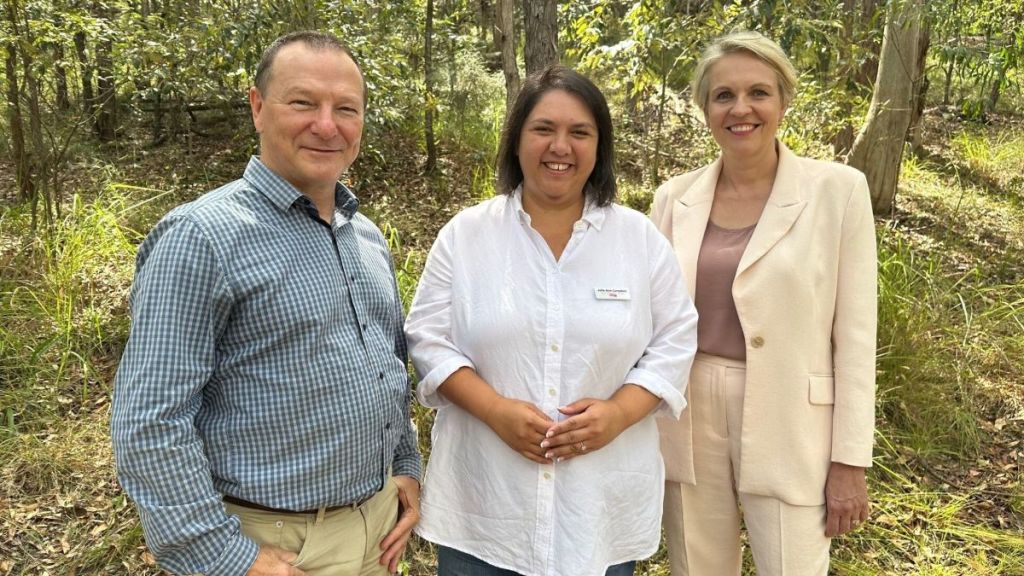
The Albanese Labor Government is investing $3 million to deliver on Graham Perrett’s commitment to build a fauna crossing under Toohey Road in the local bushland.
The crossing will link the eastern and western sides of Toohey Forest, decreasing the risk of motorist and animal collision. The wildlife will be further protected by fencing along parts of Toohey Road that will direct animals towards the safe crossing.
This project is part of Labor’s $76 million Saving Koalas Fund. Planning for the crossing is underway, and construction is due to start later this year.
As a daily visitor to Toohey Forest Graham expressed his delight that this project will reduce risks for koalas, echidnas and other small animals.
Medicare to receive boost
A re-elected Albanese Labor Government will make the biggest ever investment in Medicare so more Australians can see a GP for free. Delivering an additional 18 million bulk billed GP visits every year and tripling the number of bulk billing practices, Labor’s plan for Medicare will:
✔ Expand the bulk billing incentive to all Australians.
✔ Boost Medicare payments to GPs that bulk bill every patient.
✔ Train thousands more nurses and doctors.
Under Labor, Australians will save hundreds of dollars a year in out-of-pocket medical costs. However, Australians at the upcoming election now face a choice about who to trust with their healthcare.
A stronger Medicare with more bulk billing for all Australians under Anthony Albanese, or cuts to Medicare under Peter Dutton. As health minister, for example, Peter Dutton tried to end bulk billing with a GP tax and he also stripped billions out of Medicare. There is no question that when it comes to Medicare, Australians will be worse off under Dutton.

 Annerley Labor