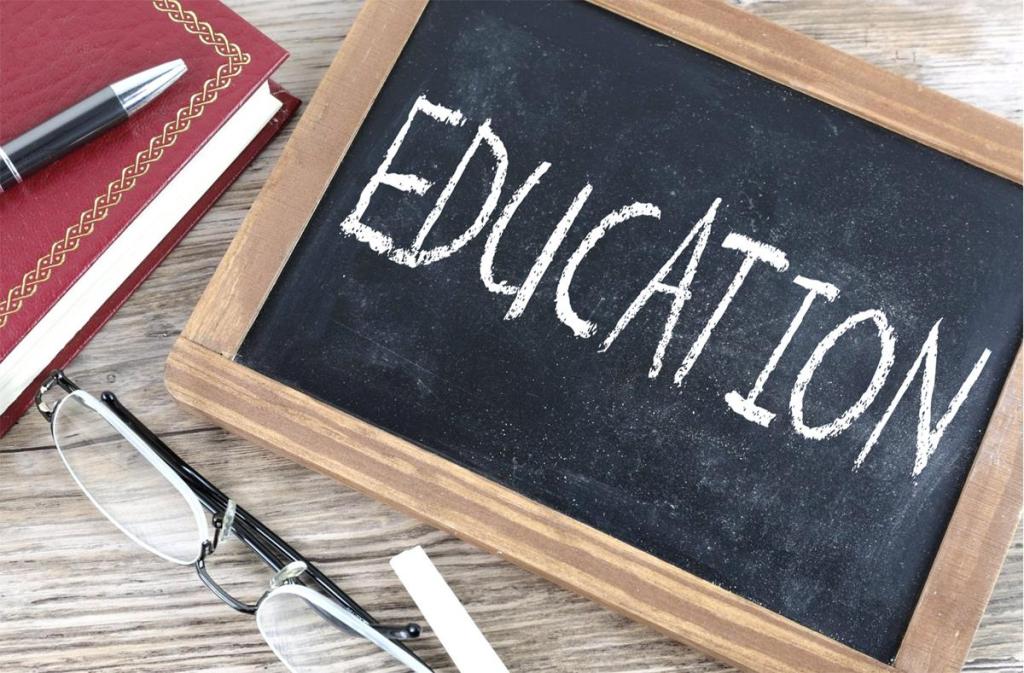
“Education is the silver bullet. Education is everything. We don’t need little changes, we need gigantic, monumental changes. Schools should be palaces. Competition for the best teachers should be fierce; they should be making six-figure salaries. Schools should be incredibly expensive for government and absolutely free of charge to its citizens, just like national defense.”
These words, spoken by Rob Lowe’s character in The West Wing, couldn’t be more true. Education affects everything from health to poverty. Education is globally-recognised as the solution to ending the cycle of poverty. This is, in part, because it also addresses many of the other issues that keep communities trapped in unequal systems.
Education can open the door to jobs, resources, and skills that help a person not only survive, but thrive. In fact, according to the United Nations Educational, Scientific, and Cultural Organization (UNESCO), if all students in low-income countries had just basic reading skills (and nothing else), an estimated 171 million people could escape extreme poverty.
Poverty is a major public health crisis and it has long been observed that people with lower educational attainment suffer from poor health when compared to other populations. This pattern is in part financially-driven: the poor cannot afford the things that are needed for good health such as health care, nutritious food, clean water, and other basic human rights. The relationship is also related to other factors related to poverty, such as lack of education surrounding well-being.
For example, lack of awareness around the link between the burning of firewood and respiratory illnesses in low-income countries means the tens of thousands of women dying as a result do not even know why — although it’s important to also note that more information regarding these practices wouldn’t solve the problem outright when cooking in this way is often their only option.
Ill health, in turn, is a major cause of poverty. This is partly due to the costs of seeking health care including medicine, tests, transportation to health care facilities, as well as loss of income related to illness where the person simply cannot work or misses out on work to seek treatment. Family members who become caregivers may also be obliged to stop working to take care of unwell relatives.
The gist of it is this: a lack of access to education not only continues the cycle of poverty through lower access to economic opportunities, but also through low or no access to health care or health care information. The connection between the education and health systems cannot be overstated in conversations about ending extreme poverty once and for all.
Here are four ways that education and health are linked.
1. More Time in School Leads to Longer Life Expectancy.
This find is bourne out by many studies across the globe. A Yale-led study in 2020 found that for adults in the US, each educational step obtained led to 1.37 fewer years of lost life expectancy.
Similarly, a 2022 study found that people living in Sub-Saharan Africa live for long when they have higher levels of education.
Meanwhile, in India, life expectancy at 15 is about 3.5 and 5.7 years shorter for illiterate men and women, respectively, compared with literate men and women.
2. Education Means More Resources for Good Health.
Higher levels of education generally translate into better chances of employment and higher incomes. This in turn means people can more easily afford nutritious food and health services. Conversely, the job insecurity, low wages, and lack of assets associated with less education can make individuals more vulnerable to hardship — which can lead to poor nutrition, unstable housing, and unmet medical needs.
3. More Education Means Greater Health Literacy.
People with more education are more likely to learn about health and health risks, improving their literacy and comprehension of what can be complex wellbeing issues.
For example, researchers from Harvard University, Imperial College London, and the World Bank found in 2008 that greater education around HIV was associated with a lower risk of contracting HIV or AIDS. No brainer, right? It’s almost like education should be accessible to all people, everywhere, don’t you think?
4. Education Results in Increased Attention to Preventive Care.
Educated individuals are also better able to recognise symptoms of ill health in a timely manner and seek appropriate medical help.
For instance, early detection of some types of cancer through screening programmes is particularly important in slowing their progression down. Preventative health care therefore increases the likelihood of catching a cancer early and decreases the likelihood that intensive and potentially life-threatening treatment such as aggressive chemotherapy will have to be used.
This article was authored by Tess Lowery and first published by Global Citizen.
 Annerley Labor